

Most tools sold as “AI pentesting” today are automated scanners with a chatbot layered on top. They crawl a target, flag known weaknesses, and hand back a list of things worth looking at. That’s useful, but it’s not penetration testing — it’s vulnerability scanning with better copy.
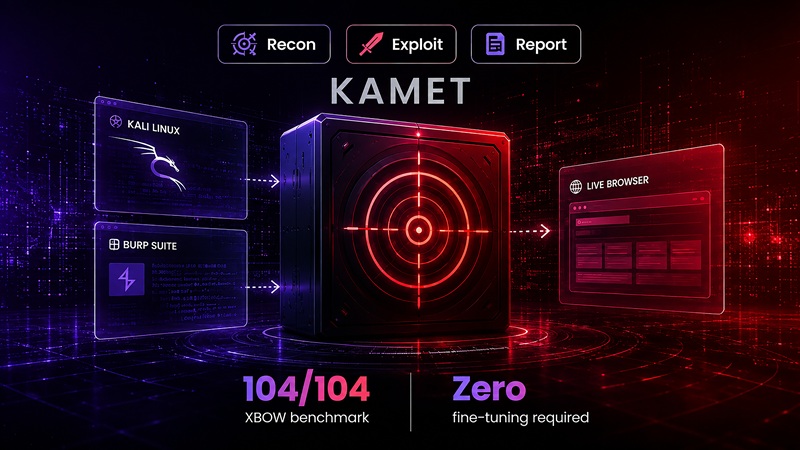
Kamet, Network Intelligence’s AI pen-testing agent, was built to do the thing scanners don’t: actually run the attack. Point it at a target, and it drives a real Kali Linux attack box, reads the output of every tool it runs, decides what to try next, and loops, the way a human operator would, until it either confirms an exploitable path or exhausts it.
Why “agent” is the operative word
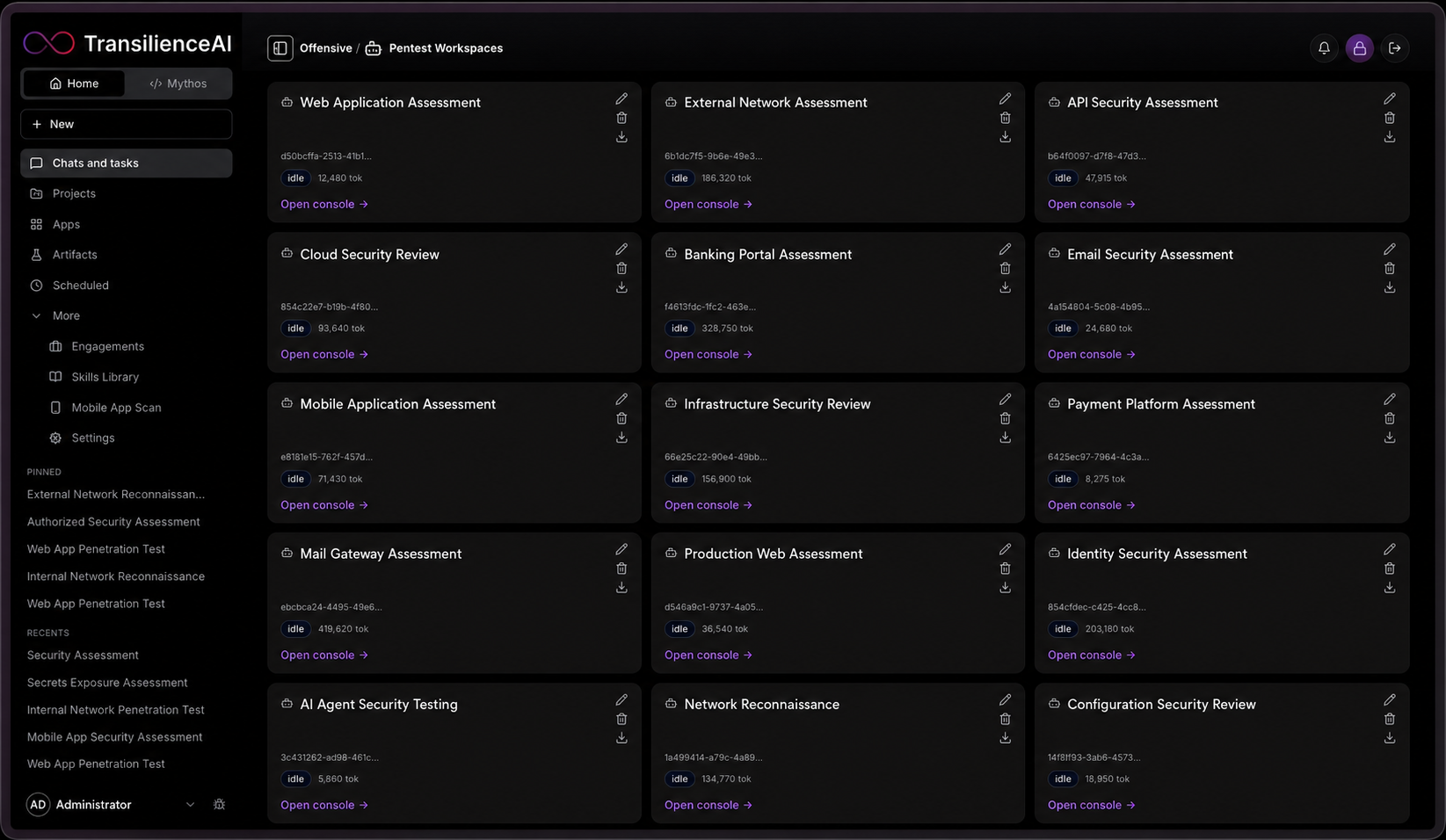
The distinction between a scanner and an agent comes down to what happens after the first finding. A scanner reports a finding and stops. Kamet takes a finding and asks what it leads to. If a subdomain enumeration turns up an exposed admin panel, the agent doesn’t just log it — it tries the next logical step, the way an attacker would, chaining findings into an actual path to impact rather than a flat list of unrelated issues.
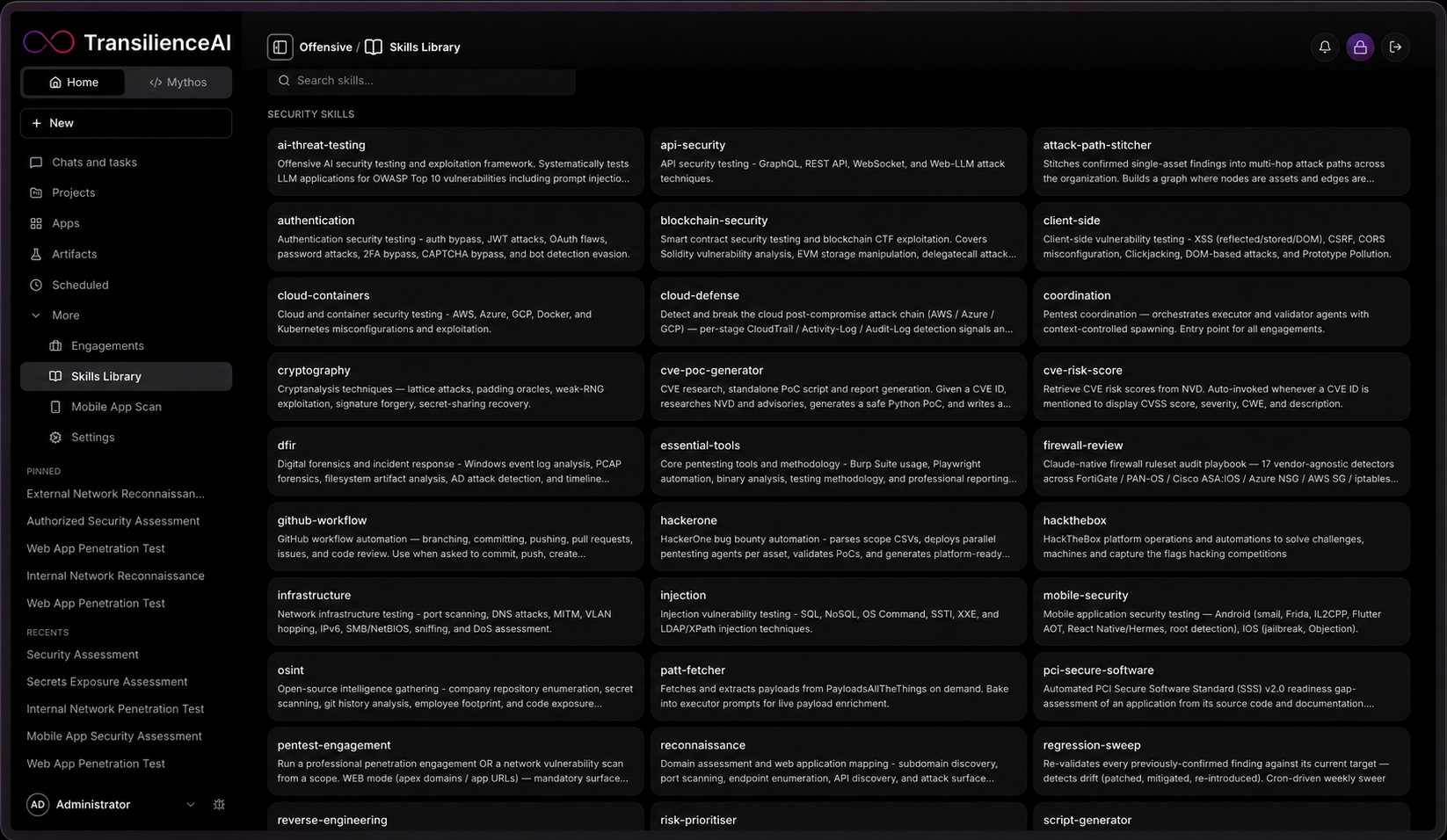
This runs on a real attack box, not a sandboxed emulation. Kamet operates through roughly 23 agent-level tools — bash, Python execution, tool installation, search, subagent spawning, Burp Suite integration, browser automation, and mobile app scanning — and draws on 100+ underlying capabilities spanning network, web, reverse engineering, binary exploitation, cryptography, forensics, and steganography. If a capability it needs isn’t already installed, the agent installs it.
Parallel work, not sequential babysitting
A meaningful part of a real engagement is running multiple things at once — directory brute-forcing while subdomain enumeration runs in the background, for instance. Kamet uses subagent parallelism to do this natively, spinning up subagents for concurrent tasks and managing VPN connectivity into the engagement network itself, rather than requiring an operator to manually kick off each stage and wait.
Guardrails built into the loop
An agent that can install tools and run commands on a live attack box needs real safety boundaries, not just good intentions. Kamet requires explicit human consent before executing commands flagged as dangerous, even when running in auto-run mode — the agent doesn’t get to unilaterally decide a risky action is fine because it’s moving fast. Organizations can also bring their own model rather than being locked into a single LLM provider.
Beyond the exploit: the whole engagement lifecycle
Penetration testing isn’t just the technical work — it’s scoping, delivery windows, reporting, quality review, and closing out the paperwork, and most of that overhead has nothing to do with hacking skill. Kamet’s lifecycle automation covers the full arc: an inbound purchase order or engagement email triggers scoping, testing runs, a report gets drafted, it goes through QA, gets delivered, and the engagement closes out in CRM. The goal isn’t just a faster exploit — it’s fewer hours lost to the administrative work around every engagement.
Where this fits in a broader security program
Kamet sits inside the same “one findings model” approach that runs across Network Intelligence’s platform. When it’s connected to a custom threat intelligence feed, it prioritizes exploits against whatever’s actually landed in that organization’s declared stack first, rather than working through a generic target list. And it plays the same role Continuous Threat Exposure Management (CTEM) programs need: not a one-time snapshot, but a way to keep validating whether what looks like exposure is actually reachable and exploitable.
Who this is for
- Security teams tired of point-in-time pentests that go stale the week after the report ships — an agentic approach makes more frequent validation realistic.
- Organizations comparing AI pentest vendors who need to understand the difference between a scanner that emulates known attack patterns and an agent that actually drives exploitation end to end.
- MSSPs and consultancies running VAPT engagements at volume, where the scoping-to-delivery overhead eats into margin as much as the technical work does.
Curious what Kamet finds in your environment? Book a walkthrough.